Investment Properties and Land
What should I check before buying a rental in San Diego County?
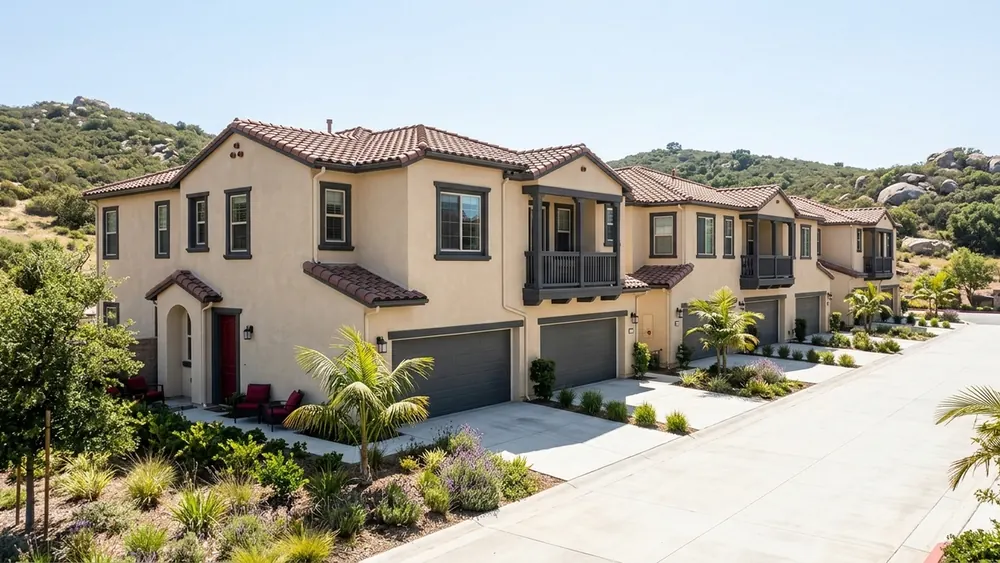
Before buying a rental anywhere in San Diego County, check the property’s condition, every cost of owning it, the rental rules that apply and how you would finance it, then test your assumptions before you make an offer.
On this page
The short answer before your first rental
Before you buy a rental in San Diego County, check four things in this order: the condition of the property, the full list of costs that come with owning it, the rules that govern renting it out, and how you would pay for it. Then write down your own assumptions about income and expenses and test them before you make an offer. The aim is to understand exactly what you are taking on while you still have the freedom to walk away.
The order matters because a rental is really two decisions at once. One is a real estate decision about a specific building in a specific part of North County San Diego. The other is a business decision about whether the plan you wrote down holds up. Buyers who jump to the second and skip the first tend to meet their surprises after the paperwork is signed, which is the most expensive moment to learn anything. Checking early keeps every option open and every conversation calm.
None of this calls for a finance degree. It calls for patience and for asking each question of the person who owns the answer. Finding properties, comparing them and negotiating terms is the real estate side. A licensed lender, a tax professional, an insurance agent and a licensed home inspector each own a separate piece. Let’s look at what actually makes sense for you, one step at a time, starting with the building.
Look closely at the building first
Condition drives many of the costs that follow, so start there. A home that photographs well in Oceanside can still carry aging systems, deferred maintenance or past work that was never documented. A licensed home inspector is the right person to tell you what is actually there. Your part, before the inspection, is knowing what you want answered, so the report settles your questions rather than raising new ones. These areas deserve attention on nearly any rental.
- The age and working condition of the roof, plumbing, electrical, heating and cooling systems
- Signs of water intrusion, drainage trouble or recent repairs that nobody has explained
- Permit records and past work, requested from the seller and checked with official city sources
- Wear in kitchens, baths and flooring that a prospective tenant would notice right away
Every cost that belongs on your worksheet
Next, list every cost of owning the property before you put a figure beside any of them. The purchase price is only the beginning. First time investors often miss the ongoing items because none of them appear on a listing. Writing each one down by category, then filling in amounts from the right source, keeps anything from slipping through the cracks. At a minimum, your worksheet should carry these lines. Leave the amounts blank until a source fills them in.
- Your expected loan payment, confirmed with a licensed lender rather than an online calculator
- Property taxes, checked through the county assessor and reviewed with a tax professional
- Rental insurance coverage, quoted by an insurance agent for this exact property
- Association dues and any special assessments, confirmed in writing with the homeowners association
- A reserve for repairs and vacant months, plus management costs if you will not self manage
Rental rules to confirm with the source
Rules decide whether a plan can work at all, so confirm them before you get attached to a property. Who may rent, for how long and on what conditions can be set by a city, by San Diego County, by state law and, for many condos and planned communities, by an association. A rule that applies in San Marcos may not match the one in Carlsbad, and rules can change. Treat anything you heard secondhand as a question still waiting for its source.
If the property sits in an association, ask for the governing documents and read the sections on leasing, minimum lease terms, limits on rented units and tenant approvals. Say a condo you are weighing has an association with strict rental rules: that one detail could change your entire plan. The association can tell you how its rules are applied, and a qualified legal professional can explain what the documents actually allow.
For rules that come from government, go to official sources for rental rules in the city where the property sits, or to San Diego County, and ask about registration, permits, taxes on rental income and any limits on short stays. A tax professional can explain how rental income and expenses would be treated for you. Part of the real estate side is confirming which jurisdiction a property falls under, so every question reaches the right office.
How financing changes a rental purchase
Financing a rental often works differently from financing a home you live in, and the differences can touch your down payment, your monthly payment and which properties make sense at all. Broad loan types such as conventional, FHA and VA each work differently, and whether any of them fits an investment purchase is a question for a licensed lender. Ask early, before you shop, so the property you choose matches the financing you can actually get.
Michelle Peters describes a background in mortgage and financing work, which means the concepts can be explained in plain terms: what a lender usually reviews, why reserves matter and how a change in your payment ripples through the rest of your worksheet. It does not mean loan advice, rate quotes or any view on whether you qualify. Those answers come from a licensed lender looking at your actual records, and that conversation is worth having first.
I ask every investor to write down each assumption before the first showing. If the plan only works when everything goes right, it is not a plan yet.
Assumptions that tend to cause surprises
Most first rental surprises come from assumptions nobody tested. One common example is treating the rent you hope for as a fact, when it is an estimate that depends on condition, rules and how long a unit sits empty. Another is leaving the repair reserve off the worksheet because the home looks fine today. A third is assuming that association or city rules will stay exactly as they are for as long as you own the property.
The fix is not predicting the future, because nobody can. It is seeing how sensitive your plan is to change. Ask what happens if a repair arrives early, if a unit stays empty longer than expected or if a cost goes up. If the property still fits your goals under a few cautious versions of your worksheet, you are deciding with open eyes. If it only works in the most hopeful version, that is worth knowing now.
Your next step before a first conversation
Before you talk with anyone, gather what you already know. Write down your goal for the property, whether that is long term holding, a future home for yourself or something else, along with the cash you are comfortable setting aside and how hands on you want to be. Note the parts of North County San Diego you are curious about, such as Escondido, without deciding anything yet. Add a short note on what would make you pass on a property, because knowing your limits in advance makes every later decision easier.
Then line up the professionals you will need: a licensed lender for financing, a tax professional for how rental income would be treated, an insurance agent for coverage and a licensed home inspector once a property is under consideration. Having those names ready keeps every question headed to the right source, and it makes the search itself calmer, because you are not waiting on answers you could have gathered earlier. Keep a simple log of who you spoke with and what they said.
When you are ready, bring your worksheet and your questions to Michelle Peters at HomeSmart Realty West. The conversation is about what actually makes sense for you: which properties fit the plan, what to check on each one and which questions still need an answer from someone else. There is no pressure and no timeline you have to meet. A clear plan is worth more than a fast one.
This article is general information about selling, buying, investing and relocating across North County San Diego and San Diego County. It is not legal, tax, lending, zoning or inspection advice and does not predict prices or returns or promise results. Confirm financing with a licensed lender, contracts with a qualified legal professional, and zoning, land use, taxes and services with official sources. Michelle Peters, HomeSmart Realty West.

Written by