Investment Properties and Land
What due diligence does a land parcel need in San Diego County?
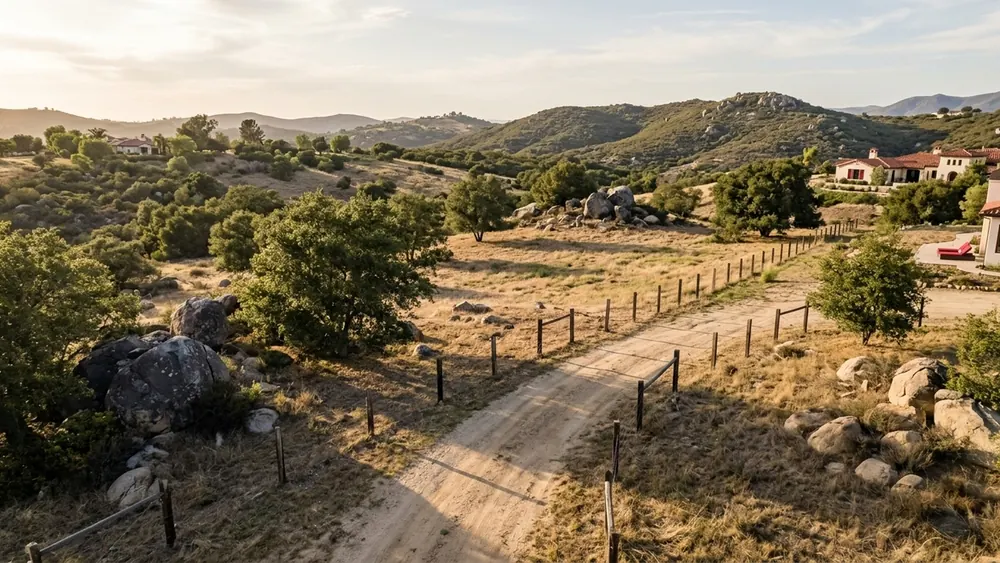
A land parcel in San Diego County needs checks on zoning and allowed uses, legal access, utilities, the physical site, title records and total costs, each confirmed with official city or county sources and qualified professionals before you commit.
On this page
The short answer on land due diligence
A land parcel needs more checking than a finished home, not less. Before you commit to land anywhere in San Diego County, confirm what zoning and land use rules allow, whether the parcel has recorded legal access, which utilities can serve it, what the ground itself is like, what the title records show and what all of it would cost. Each question has an official source or a qualified professional who owns the answer, and your job is to collect every answer while you can still walk away.
Land is different because there is no building to inspect and no history of someone living there to reassure you. What a parcel is worth to you depends almost entirely on what you are allowed to do with it, and that is set by rules, site conditions and infrastructure that a listing rarely shows. Photos cannot tell you whether a driveway would be permitted, whether water service reaches the parcel or whether part of the site carries a restriction. Those answers live in records and reports.
So land questions across North County San Diego start with one habit: run the rules and the numbers before the showing. Michelle Peters lists land and investment properties among self reported focus areas, which means the real estate side can be walked through step by step. Zoning, land use, tax and financing questions always go to official sources, a tax professional and a licensed lender, because those answers need to come from the people responsible for them.
Begin with zoning and allowed uses
Zoning and land use rules decide what you may build, how much and for what purpose. Before anything else, find out which jurisdiction the parcel sits in. A parcel near Escondido or San Marcos might fall under that city or under San Diego County, depending on where the lines run, and each has its own planning office and process. Ask the right planning office what the current designation allows and whether your idea would need a separate approval.
Write your intended use in plain words before you call, whether that is a single home, a future sale or simply holding the parcel for now. Then ask the planning office whether that use is allowed as is, allowed with conditions or not allowed. Ask about setbacks, height limits and any overlays that apply to the parcel. Treat what a seller or a neighbor says about past approvals as a starting point to verify, never as the answer.
Also ask whether any studies, reviews or permits would be required before construction could begin. Some parcels carry environmental, slope, drainage or habitat considerations that add steps and costs. You do not need to know those answers yourself, but you do need to know which questions to ask and who owns each one. A qualified legal professional can also review whether recorded restrictions limit what the planning rules would otherwise allow.
Access, utilities and the ground itself
Legal access is one of the most common surprises with land. A parcel can look reachable from a road and still lack a recorded right to cross the land in between. Ask the escrow professional what the title records show about access and easements, and have a qualified legal professional explain anything unclear. If access depends on a neighbor’s land, you want that right confirmed in writing before you rely on it for anything.
Utilities come next. Find out whether water, sewer or septic, electricity and other services already reach the parcel or would need to be extended, and ask the utility providers what that process involves. The cost of extending service can vary widely from one parcel to the next, so get information directly from each provider rather than estimating. If a septic system or a well would be involved, ask the county planning office which reviews apply.
Then look at the ground. Slope, drainage, soil and vegetation can each affect whether and how you build. A survey can confirm boundaries, and qualified professionals can study soil and drainage when your plans call for it. Walk the parcel in person if you can, and write down anything that looks like standing water, erosion or fill. Every observation becomes a question for the right professional rather than a conclusion you draw on your own.
Title records and the paperwork trail
Land transactions often turn on what the records say. Before you commit, ask the escrow professional for the preliminary title information and review it with a qualified legal professional. You are looking for anything that limits use, grants rights to someone else or needs to be cleared before closing. A few items deserve a close look on almost every parcel, and each is easier to resolve before your agreement’s deadlines than after them.
- Recorded easements that let utilities or neighbors use part of the parcel
- Restrictions or covenants that limit building size, style or use
- Liens or unpaid items that would need to be cleared before closing
- Boundary questions that a current survey could confirm or resolve
If something in the records is unclear, pause and get an answer rather than hoping it will not matter. A qualified legal professional can explain what a recorded document means for your plans, and the escrow professional can tell you how an item would be handled at closing. It also helps to keep a running list of open questions, each with an owner and a deadline that sits inside your agreement.
Matching each land question to its source
Because land involves so many separate answers, it helps to see them side by side. The table below pairs each common question with why it matters and who should answer it. Use it as a starting checklist, add the questions specific to your parcel, and note who you spoke with and what they said. A written trail makes it far easier to compare parcels and to explain your plan to a lender.
| Question | Why it matters | Who to ask |
|---|---|---|
| What does zoning allow here? | It sets what you may build and how you may use it | The city or county planning office |
| Is there recorded legal access? | Without it, reaching the parcel may not be your right | Escrow professional and a qualified legal professional |
| Which utilities can serve it? | Extending service can add cost and extra steps | Utility providers and county offices |
| What do the title records show? | Easements or restrictions can limit your plans | Escrow professional and a real estate attorney |
| How would this be financed? | Financing land often works differently from a home loan | A licensed lender |
Notice that the real estate side, finding parcels, comparing them and negotiating terms, runs alongside all of these questions rather than replacing them. You are in a much clearer position when most answers are in hand before your contingency deadlines arrive. If a question cannot be answered in time, that is useful information too, and it may be a reason to ask for more time or to pass on the parcel.
Costs and taxes to plan around
Land carries costs a finished home does not. Beyond the purchase price, think about surveys, studies, permits, utility extensions, site preparation and the time each step takes. List them by category first and fill in figures only from the people who provide each service. Holding costs matter too: property taxes, insurance and upkeep continue whether or not you build, so they belong on your worksheet from the very start.
How land is taxed, including how a future sale or a building project would be treated, is a question for a tax professional and the county assessor. Financing also tends to work differently for land than for a home you live in, and a licensed lender can explain which options exist for your situation. Michelle describes a background in mortgage and financing work, so the concepts can be explained plainly, but rates, terms and qualification always come from a licensed lender.
Your first step with a land parcel
Before a first conversation, gather what you have. Write down your goal for the land, the general area you are weighing, whether around Poway, Vista or elsewhere in San Diego County, and the cash you are comfortable committing. If you have a specific parcel in mind, separate what you know about it from what you only assume. Then make a short list of the documents to request before going further.
- The parcel’s current zoning and land use designation from the planning office
- Preliminary title information and any recorded easements or restrictions
- Notes on utility availability from each provider that would serve the parcel
- A recent survey, or a note that one still needs to be ordered
With those in hand, bring your questions to Michelle Peters at HomeSmart Realty West. Let’s look at what actually makes sense for you: which parcels fit your goal, which questions are still open and who should answer each one. There is no pressure to decide quickly. A parcel that still makes sense after every question is answered is worth pursuing, and one that does not has spared you a costly lesson.
This article is general information about selling, buying, investing and relocating across North County San Diego and San Diego County. It is not legal, tax, lending, zoning or inspection advice and does not predict prices or returns or promise results. Confirm financing with a licensed lender, contracts with a qualified legal professional, and zoning, land use, taxes and services with official sources. Michelle Peters, HomeSmart Realty West.

Written by